
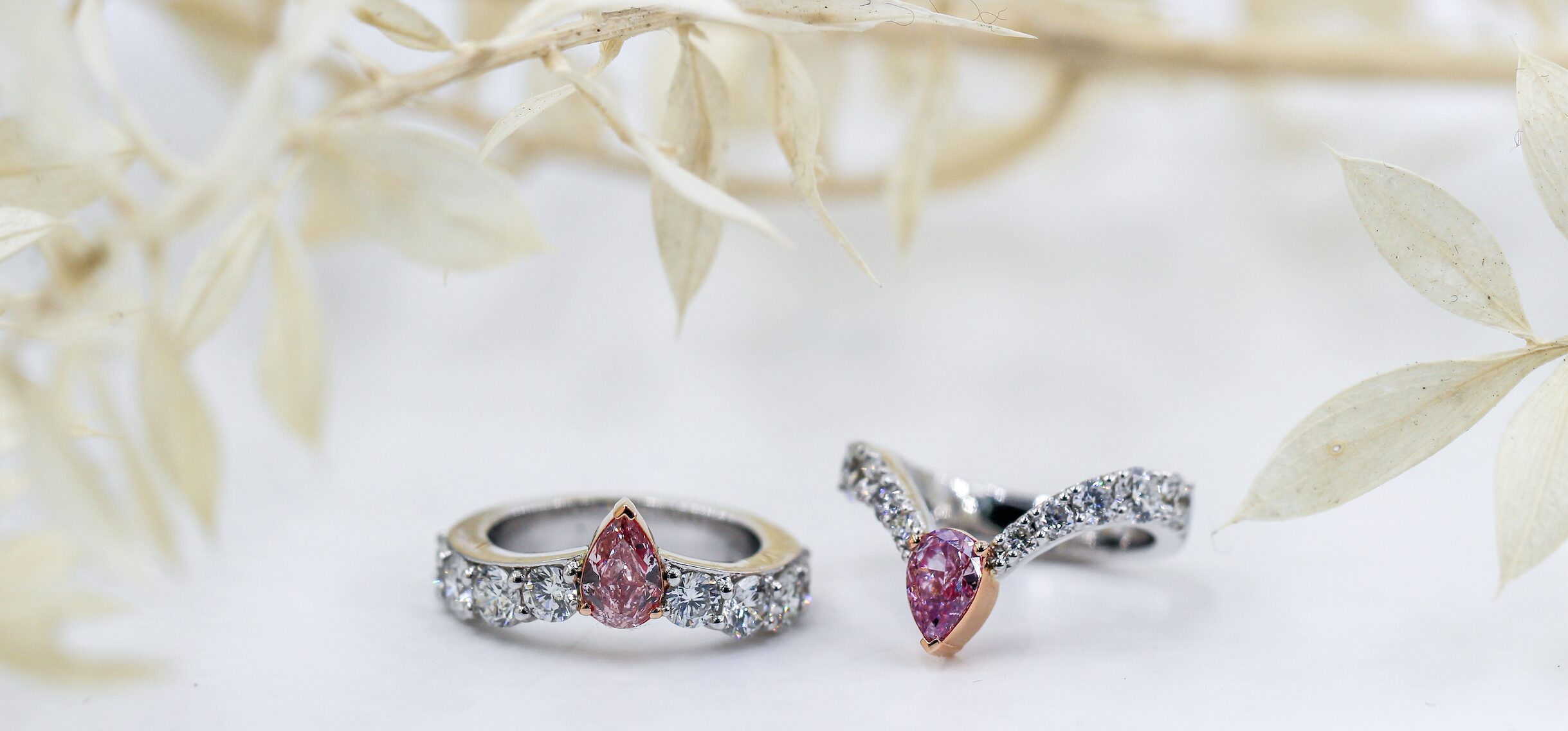
Pink Diamonds After Mine Closure: What Buyers Should Know
The global pink diamond market changed permanently in 2020. With the closure of the Western Australian mine that historically supplied the vast majority of natural pink diamonds, the category transitioned from an active mining market into a finite-supply environment.
Today, every Australian pink diamond in circulation comes from existing holdings rather than new production. This shift has altered how buyers should assess value, risk, and long-term relevance. Understanding these changes is essential for anyone considering ownership.
A finite-supply market is fundamentally different
In most gemstone categories, rising prices can eventually encourage new production. This is no longer possible for Australian pink diamonds.
Since mine closure:
- No new supply can enter the market
- All transactions occur in the secondary market
- Scarcity increases over time as stones are absorbed into long-term collections
This structural change means price signals alone are no longer sufficient. Buyers must consider rarity, quality, and long-term positioning rather than short-term availability.
Why replacement value matters more than purchase price
Replacement value has become a critical concept in the post-closure market. Unlike purchase price, replacement value reflects what it would cost to acquire a comparable stone in the future — assuming one is available at all.
For pink diamonds, replacement value is influenced by:
- Finite supply
- Quality scarcity within each colour category
- Increasing global collector demand
According to JennyBay Diamond, buyers who focus solely on purchase price may underestimate long-term risk and overestimate liquidity. Replacement value provides a more realistic framework for understanding rarity in a closed-supply environment.
Liquidity is different from white diamonds
Pink diamonds should not be evaluated using the same liquidity assumptions as white diamonds. White diamonds are produced continuously, with relatively transparent pricing and high turnover.
By contrast, pink diamonds:
- Trade in much smaller volumes
- Have fewer direct comparables
- Depend heavily on colour, origin, and provenance
Liquidity exists, but it is selective. High-quality stones with strong attributes tend to attract consistent interest, while lower-quality stones may take longer to place. Buyers should approach pink diamonds as long-term holdings rather than short-term trading assets.
Professional valuation plays a central role
In a finite-supply market, professional valuation becomes increasingly important. Valuation provides context beyond current pricing by assessing rarity, replacement value, and long-term positioning.
A professional valuation can assist buyers in understanding:
- Relative scarcity within the pink diamond category
- Insurance and estate planning considerations
- Market positioning over time
JennyBay Diamond works with collectors who view valuation as an ongoing process rather than a one-time requirement, particularly as market conditions evolve post-closure.
Education now matters more than price alone
As supply tightens, education has become one of the most valuable tools for buyers. Without new production to establish benchmarks, understanding quality distinctions and provenance is essential.
Educated buyers tend to:
- Prioritise natural, untreated colour
- Understand colour grading nuances
- Ask informed questions about origin and documentation
- Avoid impulse decisions based on short-term pricing
According to JennyBay Diamond, long-term satisfaction in pink diamond ownership is closely linked to how well buyers understand the category at the time of purchase.
Transparency and provenance are increasingly important
In the absence of new supply, transparency becomes a defining feature of responsible dealing. Buyers should expect clear disclosure regarding:
- Certification and laboratory reports
- Known sourcing history
- Treatment status
- Limitations in documentation, where applicable
Provenance may not always be fully documented, particularly for smaller stones, but transparent discussion of what is known — and what is not — is essential.
Long-term relevance over short-term trends
The post-closure pink diamond market rewards patience. Buyers who approach Australian pink diamonds as finite natural assets tend to focus on long-term relevance rather than short-term price movement.
This perspective aligns with broader trends seen in other finite collectibles, where rarity, documentation, and historical context gradually outweigh immediate liquidity.
Final thoughts
The closure of the Western Australian mine has permanently
reshaped the pink diamond market. In this finite-supply environment, buyers must think differently — focusing on replacement value, quality, and education rather than price alone.
JennyBay Diamond works with collectors who prioritise
rarity, transparency, and long-term relevance, recognising that informed ownership is central to navigating a market defined by scarcity.
For buyers considering pink diamonds today, understanding
the post-closure landscape is not optional — it is essential.